Yara Griffin · 20 September 2026
Reimagining Client Collaboration Cycles Through Adaptive Workflow Builders in Educational Project Environments
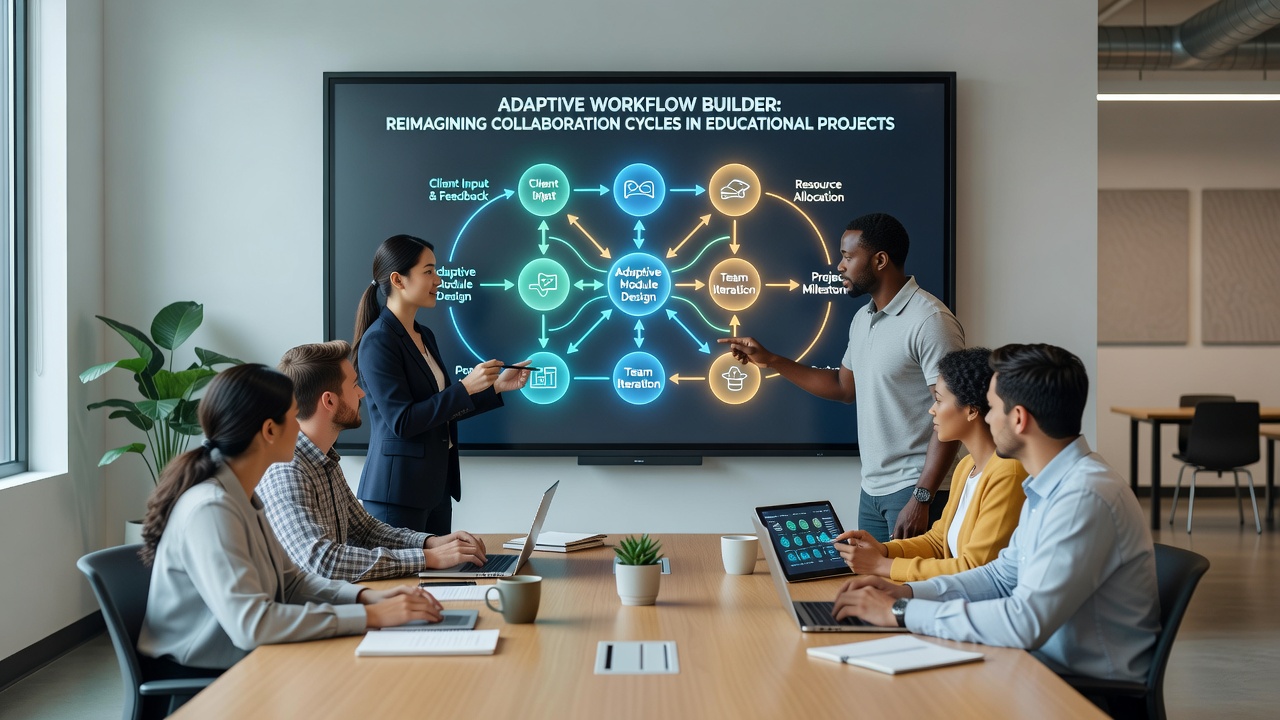
Adaptive workflow builders have emerged as tools that reshape how educational institutions manage projects involving external clients, allowing teams to adjust processes dynamically as requirements evolve during the course of academic work. Research from various institutions indicates these platforms integrate task assignment, feedback loops, and milestone tracking into single interfaces that respond to input from students, faculty, and client representatives alike.
Core Mechanics of Adaptive Workflow Builders
These systems operate by mapping out initial collaboration cycles then permitting real-time modifications when project scopes shift, which occurs frequently in educational settings where learning objectives intersect with practical client demands. Observers note that data shows platforms using rule-based automation and AI-assisted suggestions reduce bottlenecks because they reroute approvals and notifications automatically when participants flag delays or propose changes. Studies conducted across multiple universities reveal that teams using such builders complete project phases with fewer revisions compared to those relying on static tools like shared spreadsheets or basic email threads.
Integration with existing learning management systems further streamlines operations since educators can pull student performance metrics directly into workflow dashboards while clients view progress through customized portals that highlight deliverables without exposing internal academic grading criteria.
Application in Client-Facing Educational Projects
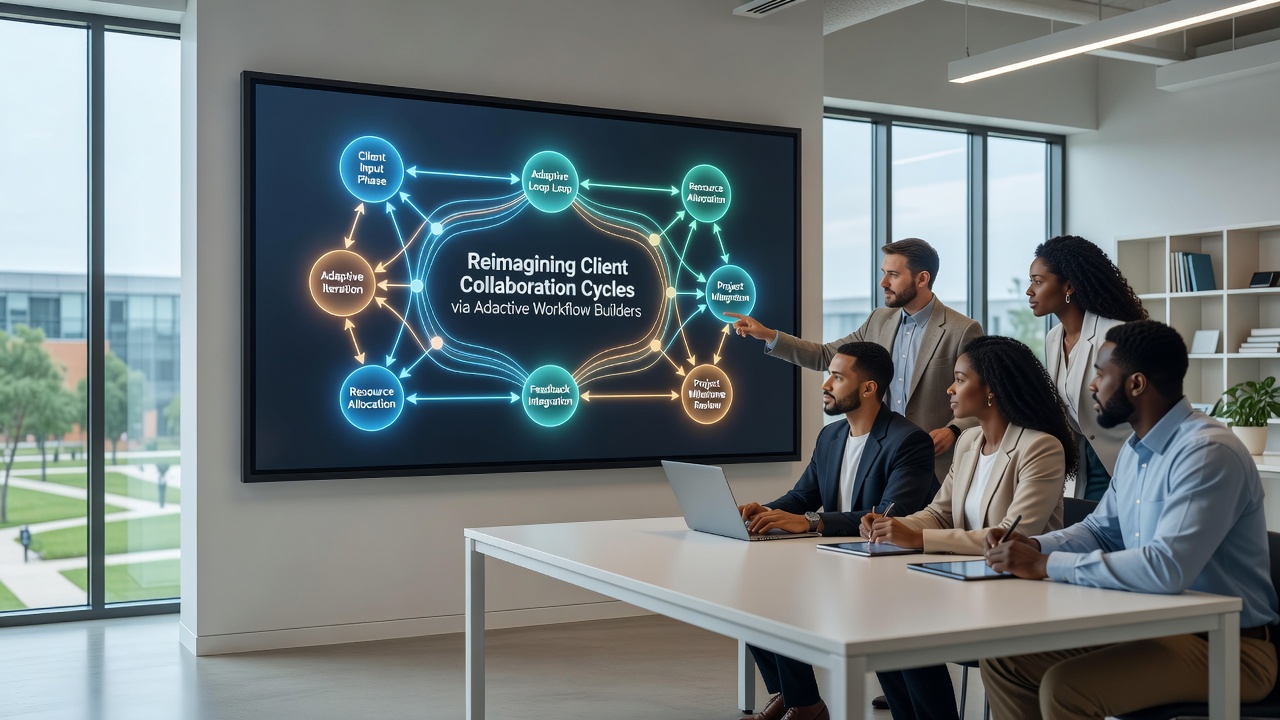
Educational programs in fields such as engineering, design, and business administration often pair student groups with industry partners for semester-long initiatives, creating cycles that include requirement gathering, prototyping, review sessions, and final handoff. Adaptive builders support these phases by allowing clients to submit feedback at any stage and automatically updating subsequent tasks for all involved parties. Figures from recent analyses indicate that institutions implementing these tools report higher client satisfaction rates because transparency increases when everyone accesses the same evolving project timeline.
One case involved a Canadian university program where architecture students collaborated with municipal planning departments on urban redevelopment concepts, and the workflow builder adjusted deadlines after community input sessions altered initial parameters. Similar patterns appear in Australian vocational training centers where hospitality students refine service proposals based on live input from hotel chains, with the system highlighting version changes and maintaining audit trails for academic assessment purposes.
Data Trends and Institutional Adoption Patterns
Reports compiled by the OECD education directorate highlight that adoption of adaptive tools in higher education settings grew steadily through 2025, with projections pointing toward expanded use by September 2026 as more programs seek to align curricula with industry expectations. Evidence suggests platforms that incorporate branching logic for different collaboration scenarios outperform rigid templates because they accommodate variations in team size, client availability, and academic calendars without requiring manual reconfiguration.
European research networks have documented instances where workflow builders facilitated cross-border projects involving multiple universities and corporate sponsors, allowing time zone differences to be managed through automated scheduling features that prioritize urgent client reviews. Those who've examined implementation records find that training requirements remain moderate since most interfaces draw from familiar drag-and-drop conventions already present in consumer applications.
Challenges and Mitigation Strategies Observed
Transition periods sometimes introduce friction when faculty and clients adapt to new interfaces, yet data from pilot programs shows that phased rollouts combined with targeted workshops mitigate these issues effectively. Privacy considerations arise because client data mixes with student records, prompting institutions to configure access controls that segment information based on roles. Government guidelines from the US Department of Education emphasize compliance with data protection standards during such integrations, and similar frameworks in other regions guide similar decisions.
What's interesting is how these builders also support longitudinal tracking across multiple semesters, enabling programs to refine collaboration cycles based on aggregated outcomes rather than isolated project results.
Future Developments Expected by September 2026
Analysts anticipate further enhancements including deeper analytics that predict potential collaboration breakdowns based on communication patterns and task completion velocities. Industry organizations focused on educational technology continue to publish case studies demonstrating measurable gains in project throughput when adaptive features receive consistent use. Observers note that continued refinement will likely emphasize mobile accessibility since many client interactions now occur outside traditional office hours.
Conclusion
Adaptive workflow builders continue to influence collaboration cycles in educational project environments by providing flexible structures that respond to the needs of students, educators, and external clients simultaneously. Available evidence points to sustained institutional interest as programs prepare for broader implementation ahead of September 2026, with documented improvements in process efficiency and stakeholder alignment across diverse academic disciplines.